This is Halloween Boo Sheet: A Designer's Embroidery Review
The First Impression: Whimsy Meets Elegance
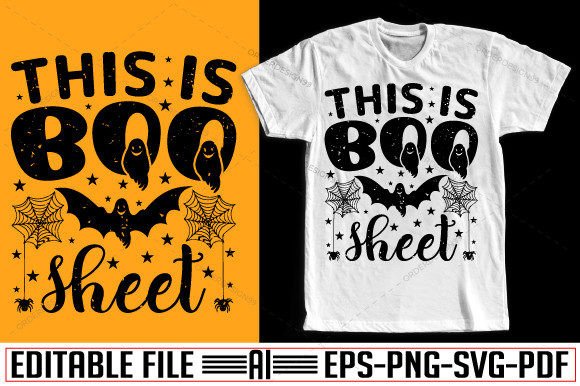
When I first open This is Halloween Boo Sheet, my immediate thought isn't about ghosts or pumpkins—it’s about versatility. This design has a charming, sophisticated spookiness that feels more artistic than cartoonish. The layout is clean and the detail level appears balanced, which means it won’t overwhelm a piece of fabric but will still command attention. For embroidery designers and small business owners, that’s a golden starting point: a design that can adapt to both a playful baby blanket and a stylish, boutique-style tote bag.
The Mood It Creates for Your Projects
The overall theme leans into a friendly Halloween vibe. It’s not overly scary, making it perfect for gifts, nursery decor, or products aimed at a broader audience who loves autumn aesthetics. The visual personality is somewhere between a vintage greeting card and modern minimalist art. This duality is excellent for handmade product lines; you can market the same embroidery file as a cute kids' sweatshirt design and, with the right thread color choices, as an elegant embroidered pillow cover for an adult living space.
Putting It Into Real Stitches: A Scenario
Let’s walk through a real case. I’m considering this design for a custom embroidered tote bag, aimed as a holiday gift item for my small shop’s autumn collection. I picture it stitched onto a natural canvas bag with a rich, charcoal gray thread. Because the design elements are described as “print ready vector,” I anticipate clean lines and distinct shapes, which should translate well into satin stitch borders and fill stitch areas for the larger elements. The key question for any embroidery project is clarity after stitching. With this This is Halloween Boo Sheet, I’d be confident the final product would look intentional and professional—not a blur of thread that loses its definition.
Where It Excels Across Product Types
Given the suggested uses—from t-shirts and sweaters to invitations and tea towels—this design’s adaptability is its core strength. For apparel decorators, it would scale beautifully onto the left chest of a cap or the back yoke of a hoodie. For crafters focusing on home goods, an embroidered patch based on this design could become a standout accent on a pillow cover. The “Boo” text element, if present, adds that personal, personalized gift touch that buyers love for items like baby clothes or wedding gifts with a fall theme. As an Etsy seller, I can see this fitting into multiple listing categories: embroidery, Halloween gifts, and custom apparel, which is a huge advantage for driving buyer engagement.
Caution Areas: Practical Designer Notes
No design is universally perfect, and a practical review must highlight where careful planning is needed. The elegance of This is Halloween Boo Sheet likely depends on clean detail reproduction. On small hoop sizes, any intricate corners or tiny lettering could become problematic, requiring adjustments to stitch density or even simplifying certain areas. I would be cautious using it on highly textured or stretchy fabrics without rigorous testing; a dense fill stitch might pucker on a thin t-shirt if the stabilizer isn’t perfect.
Dark fabric backgrounds are a classic choice for Halloween themes, but they demand high contrast in thread colors to maintain visual appeal. Always test the design on scrap fabric first, in both light and dark versions, to ensure stitching clarity. For curved surfaces like caps, the layout might need repositioning to avoid distortion. And for products destined for frequent washing, like kitchen towels or baby items, a robust stitch structure is vital—so reviewing the file’s stitch build in a sampler is a non-negotiable step.
Boosting Product Value and Customer Trust
How does this design affect your finished product’s perceived value? A well-executed embroidery of This is Halloween Boo Sheet on a sweatshirt or tote elevates it from a generic item to a handmade, artisanal product. That builds customer trust and supports brand consistency for creative entrepreneurs. The design’s inherent giftability and recognition—it’s clearly Halloween-themed but not a cliché—make it an easy sell at craft fairs or in digital product previews for other makers. The professionalism comes from your execution, but starting with a clean, versatile digital embroidery file like this gives you a significant head start.
Essential Pre-Production Checklist
Before I commit this design to any client project or commercial embroidery run, my checklist is straightforward:
- Test, test, test. Run it on scrap fabric that mimics your final product material.
- Check thread color contrast against your chosen fabric, especially for dark backgrounds.
- Review the stitch density in your machine software to ensure it’s suitable for your fabric weight.
- Confirm the physical hoop size needed to capture the full design without compromising detail.
- Inspect any small details in the file; sometimes vector art has minute elements that vanish in stitching.
- Use proper stabilizer for the application—this is never optional.
- Check the licensing terms explicitly. The description mentions many possible uses, but you must confirm if selling finished items or commercial embroidery projects is permitted under the product’s license.
Remember, a beautiful machine embroidery design on screen is only half the story. Its real value is proven when the needle meets the fabric.
The Final Verdict for Makers
This is Halloween Boo Sheet presents itself as a robust design asset for the autumn season. Its mood is broadly appealing, and its structure suggests it will stitch out with clarity, making it a reliable choice for personalized gifts and small shop merchandise. As a designer reviewing it for real project use, I would proceed with confidence but with the due diligence outlined above. For embroidery designers, craft business owners, and hobbyists looking for a Halloween theme that leans more towards whimsical elegance than fright night, this design is a compelling candidate to add to your toolkit. Just always let the stitch-out be the final judge.