A Designer's Take on the Spooky Mom Messy Bun Design
As someone who has spent years in the trenches of embroidery design and product creation, I always evaluate a new design file with a practical eye. Before I load it into the machine or send it to a client for approval, I'm thinking about how it will actually stitch out, what kind of project it truly belongs to, and whether it will hold up in real use. Today, I’m looking at the Spooky Mom Messy Bun design.
First Impression: A Playful, Nostalgic Halloween Mood
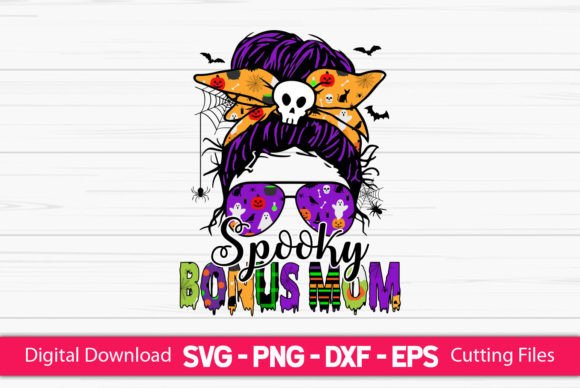
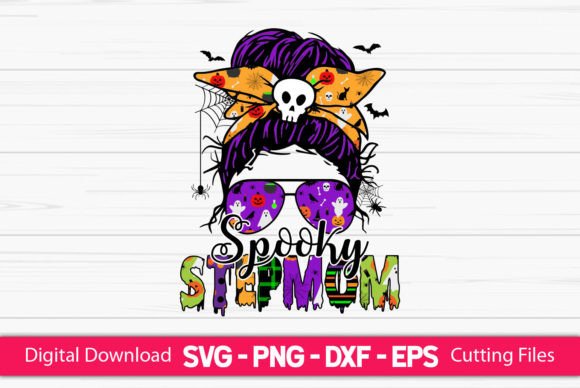
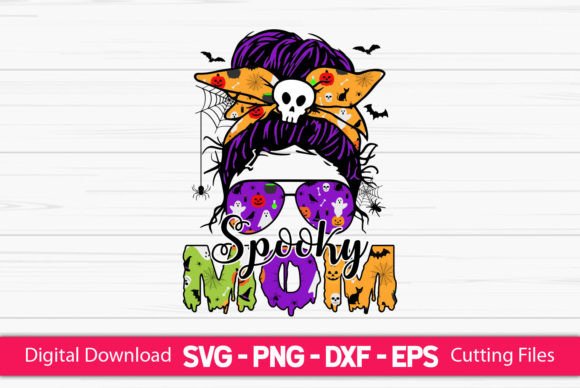
The immediate charm of this design is its personality. It’s not overly scary or intense; it’s playful, nostalgic, and taps into that specific "spooky mom" aesthetic that's become so popular. The messy bun combined with the Halloween theme creates a relatable, almost cozy kind of spookiness. Visually, the layout feels balanced—the bun and the spooky elements work together as a single cohesive graphic, not as separate, competing pieces. The detail level appears well-suited for embroidery; it doesn’t look overly simplified, nor does it seem packed with tiny details that would vanish under stitches. This tells me it’s meant to be a statement piece, not a subtle accent.
The Natural Project Fit
This design naturally calls out for personalized, giftable items. I immediately pictured it on a cozy fall sweatshirt or a durable canvas tote bag for a Halloween enthusiast. It would shine on a kitchen towel or apron for someone hosting a Halloween party. For a small business, it’s perfect for limited-run holiday merchandise—think embroidered patches for jackets or custom caps for a boutique. The mood is festive and personal, making it ideal for items meant as gifts or for personal wear during the season.
Performance in Real Embroidery Situations
Let’s walk through a real scenario. Suppose I’m preparing a custom embroidered tote bag as a Halloween gift for a client. I’d choose a sturdy, natural-colored canvas. Here, the Spooky Mom Messy Bun would work beautifully. The design’s solid shapes would translate well into clean satin stitch borders and fill stitch areas on that fabric type. On a sweatshirt, the key would be using a proper stabilizer to handle the knit fabric’s stretch, ensuring the design, especially the lettering elements, doesn’t distort. For something like a baby bib or a toddler’s lightweight hoodie, I’d be more cautious—the design’s overall size and stitch density would need to be checked against the garment’s scale and fabric thickness to avoid a stiff, uncomfortable result.
For commercial embroidery projects, like a batch of caps for a small shop, the design’s recognizability is a plus. It’s instantly understandable and taps into a popular niche, which aids buyer engagement. On a dark fabric, like a black crewneck sweater, the visual appeal would hinge entirely on thoughtful thread color choice—a classic Halloween palette with good contrast would make it pop and look professionally executed.
Where Careful Application is Key
While versatile, this design has areas that demand a thoughtful approach. The small details, like any delicate lettering or intricate corners within the bun illustration, could become unclear on heavily textured fabrics or on very small hoop sizes. Stretchy fabrics, like certain t-shirt materials, pose a risk if stabilization isn’t perfect. I’d avoid using it on very thin, sheer fabrics where the stitch density might overwhelm the material. Products destined for frequent washing, like everyday tea towels, require a robust embroidery execution with secure stitches to maintain that handmade presentation over time.
Impact on Value, Trust, and Professionalism
From a business perspective, using a well-executed design like this correctly enhances product value. A clean, crisp stitch-out on a tote bag or sweatshirt makes the item feel premium and thoughtfully crafted, building customer trust. For an Etsy seller or a creative entrepreneur, it offers a ready-made, seasonally-relevant design asset that can be adapted across product lines, aiding brand consistency during the holiday season. Its giftability is high—it’s personal without being overly specific, and its recognition factor makes it an easy sell at craft fairs or in online mockups.
Practical Notes for the Embroidery Designer
Before committing this design to a final product, my standard practice applies. Always test stitch it on a scrap of your target fabric first. This reveals the true stitch density, clarifies how small details render, and lets you check thread color contrast. Review it in both light and dark fabric mockups to plan your colorways. Confirm the hoop size needed; a test run will show if the design feels too crowded in a smaller hoop. Inspect the file itself for any potential tricky spots—areas that might require manual thread trimming or adjustments. Crucially, always verify the licensing terms of the digital embroidery file before selling finished items or commercial projects. The provided description mentions it's a digital file for cutting machines, so for embroidery use, you must ensure you have the correct, compatible embroidery file format and clear rights for your intended use.
Using a proper stabilizer matched to your fabric is non-negotiable to preserve stitching clarity. For apparel decorators considering this for items like caps, remember that curved surfaces can challenge the layout; a test on a similar curved item is wise. Ultimately, the Spooky Mom Messy Bun design, when applied with these practical considerations, can become a standout element in holiday embroidery projects, handmade products, and small business merchandise, delivering that friendly, spooky charm exactly as intended.