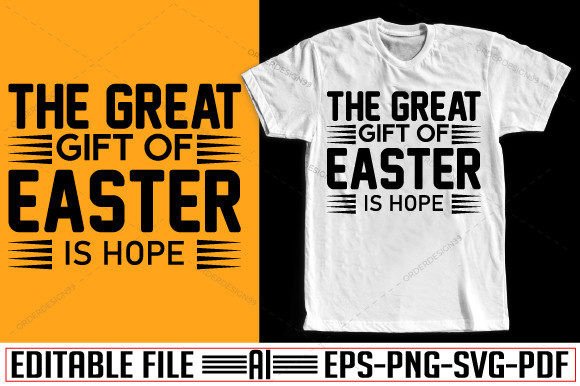
The Great Gift of Easter: An Embroidery Designer's Real-World Review
As someone who stitches designs for clients and my own small shop, I approach every file with a practical eye. My first question is always: how will this actually look on a finished product? When I opened The Great Gift of Easter, my immediate impression was one of clean, celebratory charm. The design carries a gentle, festive mood without being overly ornate. Its layout feels balanced, offering a central focal point that would translate well into a stitched area. This isn’t a chaotic, overly detailed graphic; it has a visual personality that suggests handmade warmth, which is precisely what craft business owners and makers are looking to convey.
Where This Design Finds Its Natural Home
This embroidery file feels destined for projects where the sentiment is key. I pictured it immediately on a custom embroidered tote bag for a spring market, or as a centerpiece on a linen pillow cover for a boutique home decor line. The theme is unmistakably Easter, but the execution is versatile enough for general spring holiday gifts. I could see it working beautifully on a child’s sweatshirt for a family photo, or as a delicate accent on a tea towel in a kitchen gift set. For Etsy sellers specializing in personalized items, this design offers a ready-made, seasonal asset that elevates a simple product into a thoughtful personalized gift.
A Practical Run Through Potential Projects
Let’s walk through a real-life scenario. Imagine you’re preparing a custom embroidered sweatshirt for a client. You’ve chosen a high-quality, medium-weight cotton blend. Hooping it up, you’re considering how The Great Gift of Easter will perform. The design’s potential uses—listed as t-shirts, bags, jumpers, pillow hoodies—tell you it’s meant for apparel and soft goods. This is encouraging. For a sweatshirt, the stitch density needs to be manageable; too dense can make the fabric stiff and uncomfortable. Without knowing the exact stitch count from the product description, my standard practice would be to run a test on scrap fabric of similar texture first. This reveals how the fill stitch areas behave and whether the satin stitch outlines (if present) remain crisp on a slightly textured surface.
Another strong application is the embroidered patch. This design could be stitched onto twill and turned into a patch for a cap or a bag, offering great flexibility. For baby items, like a lightweight blanket or a simple cotton romper, the design’s appeal is obvious, but caution is needed. On thin or stretchy fabric, stabilizer choice is paramount to prevent puckering, especially around any detailed corners within the design.
Spots Where You Should Proceed with Care
Every design has its ideal applications and its trickier ones. For The Great Gift of Easter, the product description doesn’t specify a minimum hoop size, so that’s your first checkpoint. If the design is large with fine details, attempting it on a very small hoop for, say, a baby hat’s curved surface could compromise clarity. Tiny lettering, if included, needs extra attention on textured fabrics—it might require a lighter thread weight or adjusted density.
Dark fabric backgrounds are a classic consideration. The visual appeal hinges on thread color contrast. Before committing to a black sweatshirt, I’d test the design in a black-and-white mockup or stitch a sample on dark scrap material to see if the intended message pops. Dense stitch areas, common in some machine embroidery designs, can be heavy on layered garments like hoodies; a lighter fill or an applique design approach might be better, but that depends on the file’s construction. Since this is described as a vector file for graphics, it’s print-ready, but for embroidery, you must confirm the specific embroidery file format and compatibility with your machine before starting any commercial project.
How This Design Elevates Your Finished Product
From a business perspective, using a well-executed design like this directly affects customer trust and your product’s value. A clean, recognizable embroidery design stitched with precision enhances the handmade presentation. It looks professional, not amateurish. For a creative entrepreneur selling at a craft fair, a tote bag featuring this design has immediate giftability and seasonal recognition. It tells a story. That alignment boosts buyer engagement because the product feels intentional and well-made.
Brand consistency matters too. If your small shop focuses on holiday items, incorporating this design into your spring line creates a cohesive collection. It can become part of your branding for Easter collections, used across digital product previews and printable mockups to market your finished goods. The professional look fosters repeat business.
Essential Designer Notes Before You Hoop Up
My final advice is always rooted in prevention. First, always test the design on scrap fabric. Use the same material and stabilizer you plan for the final project. This checks for any issues with stitch density or thread breaks in small details.
Second, review your thread palette. Ensure your chosen colors provide enough contrast against your fabric, whether it’s a light tea towel or a dark custom apparel item. Third, explicitly confirm the licensing. The product is listed under Crafts and Graphics, but you must verify whether it’s suitable for personal and commercial projects before selling any finished items. This is crucial for Etsy sellers and anyone in the craft business.
Finally, consider the product’s lifespan. If you’re embroidering a kitchen towel or a child’s sweater that will need frequent washing, a robust stabilizer and durable threads are non-negotiable to keep The Great Gift of Easter looking great after many uses. Approaching this design with these practical steps ensures your final product—whether it’s a boutique pillow, a baby gift, or your next bestselling tote bag—carries the quality and charm that both you and your customers deserve.