Mom You Taught Me by Example, I Learned by Love: A Designer's Review
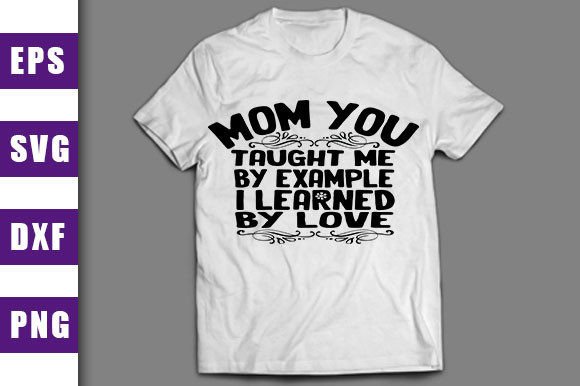
When I’m evaluating a design for embroidery, I don’t just look at the screen. I imagine the thread hitting the fabric. I consider the hands that will hold the finished item, and the eyes that will see it. Mom You Taught Me by Example, I Learned by Love isn't just a collection of files in a ZIP folder; it’s a sentiment waiting to be stitched into something tangible. My first impression was immediate: this is a quiet, heartfelt statement, not a loud declaration. The phrase itself carries a weight that feels personal and profound, perfect for projects meant to convey deep appreciation.
The Natural Fit: Where This Design Finds Its Home
The mood here is gentle gratitude. This isn't a design for a quick, generic gift. It belongs on items meant for a specific person, for occasions that carry emotional weight—Mother’s Day, of course, but also birthdays, thank-you gifts, or even a keepsake for a new mom. I immediately pictured it on the corner of a linen pillow cover, stitched in a soft cream thread, or as a discreet but meaningful addition to a canvas tote bag a mother might use daily. The wording “by example” and “by love” suggests a legacy, something that would look beautiful on a family heirloom blanket or a personalized kitchen apron.
For my craft business clients, this design translates into high-value personalized products. Imagine a high-quality cotton sweatshirt, with this phrase embroidered elegantly over the heart. It elevates a simple garment into a story. For Etsy sellers and boutique owners, it’s a design that boosts giftability and perceived value because it feels custom-made for a relationship, not mass-produced.
Thinking Through the Stitch: Practical Application Notes
Let’s walk through a real scenario. I’m preparing a custom embroidered tote bag as a Mother’s Day gift for a client. The bag is a natural canvas. I’ve opened the Mom You Taught Me by Example, I Learned by Love file—having the SVG, PNG, DXF, and EPS options is crucial here for flexibility with my machine and software. The layout is straightforward text, which means success hinges on stitching clarity and placement.
On a textured fabric like canvas, I’ll need a sturdy stabilizer to keep the satin stitches for the lettering clean and prevent puckering. The phrase isn’ overly long, but it has several words, so I’m considering hoop size. I wouldn’t try this on a tiny 4x4 hoop; a 6x10 or similar gives the words room to breathe and maintains readability. I’ll be testing on scrap canvas first to check stitch density, especially on the smaller letters like “e” and “a”. A dense fill stitch in a small area can make fabric stiff, which isn’t ideal for a bag meant to be soft and usable.
Where to Use With Care: A Realistic Designer’s Checklist
This design, being text-based, requires some practical forethought for different projects.
- Small Surfaces & Curves: Embroidering this on a cap or a baby’s beanie requires careful digitization check. The curve of a cap can distort longer lines of text, and on baby clothes, scale is everything—too large it overwhelms, too small the detail gets lost.
- Fabric Choice: On thin or stretchy fabrics like t-shirt jersey, a lightweight stabilizer is non-negotiable to prevent warping. For dark fabrics, thread color contrast is key; a white or pastel thread will make the sentiment pop, but a dark thread on dark fabric might lose the message.
- Detail Integrity: The comma and the flow of the sentence are part of the design’s personality. When stitching, these tiny details need to hold up. I’d advise inspecting the file closely to ensure these elements are clear and not too fine to stitch reliably, especially if making an embroidered patch where every stitch is visible.
- Commercial Considerations: Before selling finished products like aprons, pillow covers, or tea towels with this design, I always confirm the licensing. The provided file formats suggest it’s meant for digital use, but I need to know if the license permits commercial embroidery on physical products for my small shop merchandise.
The Impact on Your Craft Business & Customer Trust
Using a design like this well does more than create a product; it builds trust. When a customer orders a handmade sweatshirt with this embroidery, they’re buying a feeling. The clarity of the stitching, the professional placement, and the choice of complementary thread colors all communicate craftsmanship. A blurry, puckered, or poorly scaled version of this sincere phrase would undermine the emotion it’s meant to carry.
For digital product sellers, this design is a strong asset for printable mockups and digital product previews. Showing it beautifully rendered on a mockup of a tote bag or a sweater helps potential buyers visualize the finished product, increasing engagement. Its applicability across graphics and crafts means it can be a versatile part of your design library.
Final Designer Notes Before You Hoop the Fabric
My approach is always test, observe, then commit. Here’s my mental checklist before I run the machine for a real project.
- Test on Scrap: Always stitch a sample on the exact fabric (and color) you plan to use. Check for thread tension, density, and overall readability.
- Color & Contrast: Play with thread colors. This phrase in a classic black on light linen feels timeless. A soft rose gold on a grey sweatshirt feels modern and warm. See it in both light and dark fabric mockups.
- Context is Key: This design thrives when the product it’s on matches its tone. A kitchen towel? Lovely. A trendy cap? Maybe not the best fit. Think about the product’s use and the recipient’s style.
- Embrace the Sentiment: Ultimately, Mom You Taught Me by Example, I Learned by Love is a design that asks you to embroider with intention. Its value isn’t in complex graphics or high stitch counts; it’s in the quiet message it delivers when stitched well. It reminds us that in embroidery, and in the craft business, the details—the clean stitch, the perfect placement—are how we honor the sentiment itself, by example.