A Retro Embroidery Design for Cat Moms
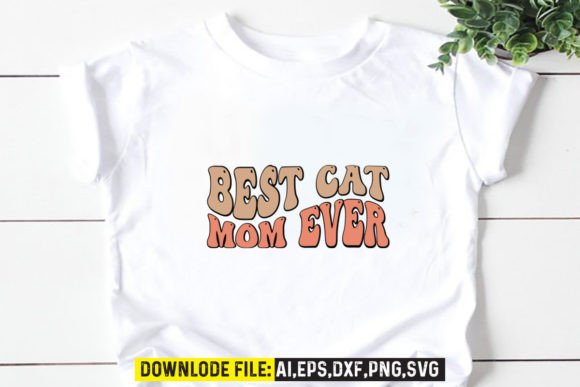
When I pull up the "Best Cat Mom Ever Retro Design" on my screen, my first thought isn't about stitches—it’s about feeling. This isn't just a graphic; it’s a statement wrapped in a warm, vintage vibe. The layout feels playful and confident, like a badge of honor. It’s a design that speaks directly to a specific, passionate person: the cat lover who’s truly invested. For embroidery, that personality is gold. It immediately tells me this belongs on items meant to be worn or displayed proudly, not hidden away.
Where This Design Finds Its Perfect Home
I’m picturing a specific scenario: a custom order for a client who wants a unique gift for her sister, a dedicated feline rescuer. She’s asked for an embroidered tote bag. This "Best Cat Mom Ever" design pops into my head instantly. Its retro, almost nostalgic aesthetic pairs beautifully with the sturdy canvas of a tote—it feels both durable and sentimental. But its applications run much wider.
On a cozy sweatshirt, it becomes a personal declaration. Stitched onto a tea towel or apron, it brings a cheerful, personal touch to daily routines. As a patch, it could adorn a backpack or beiron a pillow cover for a nursery (for that cool cat mom with a baby, of course). For small business owners, especially those selling on Etsy or at craft fairs, this design is a ready-made product idea. Think embroidered caps, simple framed hoops as decor, or personalized baby blankets for cat-loving families. The "retro" element adds a layer of style that elevates it beyond a basic text slogan, increasing its perceived value as a handmade product.
The Practical Stitching Considerations
Moving from appreciation to execution, I consider how this machine embroidery design will translate into actual thread on fabric. The bold statement likely means areas of solid fill stitch. On apparel like t-shirts or baby clothes, I’d carefully review stitch density to ensure it doesn't weigh down lighter, stretchy fabrics. A good stabilizer is non-negotiable here.
The potential for smaller decorative accents or lettering within the retro frame is what I’d scrutinize next. Before committing to a client’s project, I always stitch a sample on scrap fabric—first on a light background, then on a dark one. This tests thread color contrast and reveals how tiny details, like possible intricate corners or serifs in the lettering, hold up. If the design includes very fine elements, I might avoid stitching it on textured fabrics like certain sweaters or on curved surfaces like caps where small satin stitches could get lost.
For items destined for frequent washing—like kitchen towels or everyday sweatshirts—a robust, well-digitized file is key. I’d look for clean stitch paths that won’t snag or degrade quickly. This isn’t just about durability; it’s about customer trust. A design that lasts reinforces the quality of your craft business.
Boosting Appeal and Professionalism
Using a design with such clear personality does more than decorate a product. It creates an immediate connection. For a gift, it’s highly giftable because it’s so specifically thoughtful. For commercial embroidery, it taps into a recognizable, enthusiastic community. When a customer sees this on a finished product, they don't just see embroidery; they see a reflection of their own identity or passion, which drives engagement.
From a professional standpoint, clean, crisp execution of this design speaks volumes. Sharp stitches on the retro elements, precise outlines, and balanced color choices make the final piece look intentional and skilled. It supports brand consistency for a seller specializing in pet-themed or nostalgic goods. Even in a digital embroidery file preview or on a printable mockup for an online listing, its strong visual character helps the product stand out.
A Designer’s Final Checklist Before Hooping
My process before using any design like this in real projects is methodical. Here’s my mental checklist:
- Test the design on both light and dark scrap fabric to finalize thread colors.
- Confirm the hoop size needed. Does it fit comfortably on the items I plan to make?
- Inspect any small details in the file preview. Are they suitable for my chosen fabric?
- Consider the product’s end use. Is it for personal wear, a gift, or for sale in my small shop?
- Crucially, verify the licensing. Can I use this embroidery file for commercial projects, selling the finished tote bags or caps? I never assume.
- Visualize it in context. Does the "retro" mood align with the product’s style—a rustic apron versus a modern tech tee?
The "Best Cat Mom Ever Retro Design" has the kind of charm that turns a simple embroidery project into a meaningful item. It’s a graphics asset that, when stitched well, feels both heartfelt and stylish. My final advice is to embrace its specificity. Don’t just put it on anything; match it to products where its playful, proud statement can truly resonate—where someone can look at that embroidered pillow or shirt and smile, knowing it’s made for them.