A Practical Review of the Wife Mom Boss Retro Embroidery Design
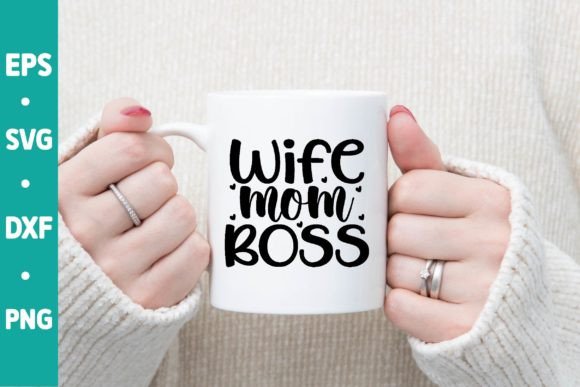
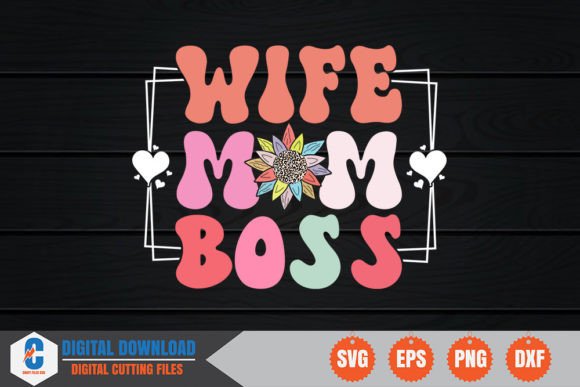
I’m looking at the Wife Mom Boss Retro design with the eye of a designer who needs to put this into real fabric, not just admire it on a screen. It’s immediately charming. The retro script has that playful, slightly exaggerated flair that feels both nostalgic and celebratory. The layout is straightforward—the words are the star—which means it’s going to translate beautifully into stitches without losing its personality.
The First Impression: Where This Design Belongs
The mood here is confident and affectionate. It’s not a quiet, subtle statement; it’s a declaration. This makes it a perfect fit for gifts and products meant to celebrate someone. I’m picturing it on a cozy, well-made sweatshirt for a friend, or prominently featured on a canvas tote bag for a client who runs her own business. The design doesn’t feel overly detailed, which is a win for embroidery—it means clean lines, good readability, and less worry about tiny details getting lost in the stitch.
Thinking Through a Real Project: The Embroidered Tote Bag
Let’s walk through a scenario. I’m preparing a custom tote bag as a gift for a client’s milestone. The Wife Mom Boss Retro design is my choice. Because the files include editable formats, I can easily adjust the sizing to fit the bag’s panel perfectly. The retro script, when stitched out, will have a lovely dimensional quality with satin stitches for the letters. On a sturdy cotton canvas, the stitches will sit well, and the message will be clear and bold. This isn’t a design that whispers; it stands out, which is exactly what you want for a personalized product meant to be used and seen.
Performance Across Real Embroidery Situations
This design’s strength is its versatility in application, not necessarily in technical complexity. For custom apparel like sweatshirts or t-shirts, it works beautifully as a central motif. For baby clothes, perhaps on a little jacket, it becomes a sweet tribute from a parent, though I’d scale it appropriately. As an embroidered patch, it would be fantastic—the clear lettering makes it highly recognizable. For home goods like pillow covers or kitchen towels, it adds a personalized, boutique touch. In a craft business setting, this design could anchor a whole line of merchandise for Etsy listings or craft fair products, from aprons to caps.
Its visual appeal directly boosts the perceived value of the finished product. A clean, well-executed embroidery of this design on a high-quality item feels professional and thoughtful. It builds customer trust because the craftsmanship is clear. For a creative entrepreneur, it can become part of a consistent brand offering—celebratory, handmade gifts. The giftability is high; it’s personal without being overly specific.
Where a Designer Needs to Be Careful
While the design is adaptable, its application requires some practical thought. On very small hoop sizes, the retro script lettering might need careful testing to ensure the curves don’t become too dense or lose clarity. On textured fabrics like some knit blends, or on dark fabric where thread color contrast is critical, a test run is essential. Stretchy fabric demands the right stabilizer to keep the letter shapes intact.
On curved surfaces like caps, the layout might need slight adjustment to follow the curve naturally. The corners and ends of the script letters are the key areas—you want to ensure they stitch out sharply, not rounded off. For products destined for frequent washing, like apparel, considering stitch density and thread type becomes important for longevity.
Embroidery Designer Notes for a Successful Project
My standard advice always applies, but especially for a design like this where the message is central. First, test it on scrap fabric that matches your final project’s texture and color. This reveals everything: thread contrast, stitch density issues, and the true behavior of the small details.
Check it in both black and white digital mockups to visualize it on light and dark backgrounds. This helps plan your thread palette. Always use a stabilizer appropriate for your base fabric—this is non-negotiable for clean lettering. Before committing to a commercial project, confirm the licensing terms for the digital embroidery file. Can you use it for commercial embroidery, selling the finished tote bags or sweatshirts? That information is crucial for small shop owners and Etsy sellers.
- Test First: Never skip the scrap fabric test.
- Contrast is Key: Plan your thread colors against your fabric color deliberately.
- Inspect the Details: Zoom in and look at the file’s small curves and corners.
- Hoop Size Matters: Ensure your chosen physical size works comfortably within your machine’s hoop capabilities.
- Consider the End Product: Is it a gift? A boutique product? This influences your choice of fabric and thread quality.
The Final Takeaway for Makers
The Wife Mom Boss Retro design is a robust, mood-setting graphic. It’s less about technical embroidery challenge and more about delivering a clear, celebratory message with craft and care. For embroidery designers and creative entrepreneurs, it’s a reliable asset. It will stitch out cleanly, resonate with customers looking for personalized gifts, and adapt across a range of projects from apparel to home decor. Approach it with practical preparation—test, stabilize, and confirm your licensing path—and it will become a standout element in your handmade product line or a deeply appreciated custom gift. That’s the kind of design that holds real value in a maker’s toolkit.