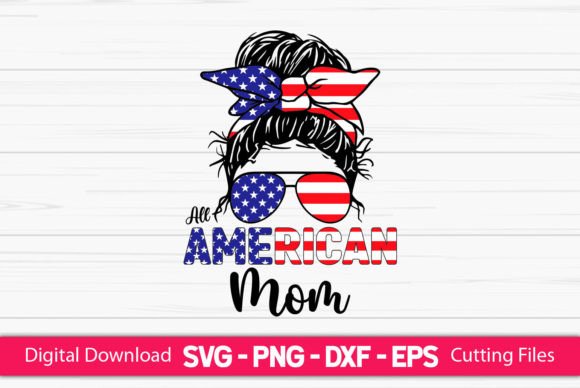
A Professional Look at the All American Step Mom Messy Bun Design
As someone who stitches daily for clients and my own small shop, I approach every new design with a critical, practical eye. It's not just about whether a file is clean; it's about how it will perform as a real, stitched object. Today, I'm thinking through the All American Step Mom Messy Bun embroidery design, imagining it hooped up and ready for the needle.
The Immediate Mood and Where It Belongs
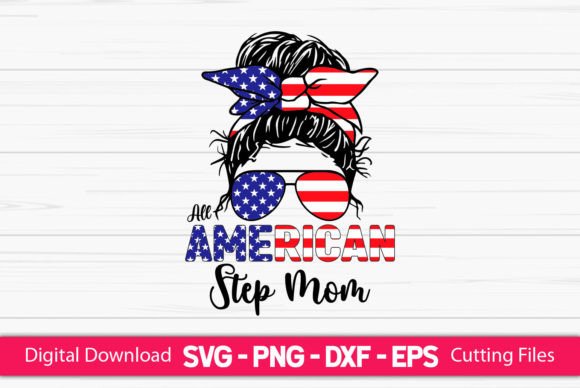
First impressions matter, both for me as the maker and for the eventual customer. This design has a very specific, affectionate personality. It’s playful and proud, with that “messy bun” detail adding a relatable, everyday charm. The “All American” framing gives it a classic, heartfelt feel—it’s not overly ornate, but it’s confident. Visually, it belongs squarely in the realm of personalized gifts and casual, love-driven apparel. I immediately picture it on a cozy, well-worn sweatshirt or the corner of a keepsake pillow. It feels less like a generic graphic and more like a statement meant for someone special.
Perfect Projects: From Gifts to Boutique Merchandise
So, where would I actually use this? In a real week of work, this design would likely land on a few specific items. A custom tote bag for a stepmom, embroidered in a sturdy cotton canvas, would be a standout gift. The size and layout would center nicely on the panel. I’d also consider it for a relaxed-fit sweatshirt—the design’s vibe matches that comfortable, at-home feel perfectly. For small business owners or Etsy sellers focusing on family-themed merchandise, this could be a strong listing on baby blankets or nursery decor, paired with a name or date. It has that “handmade with meaning” quality that buyers in those niches actively seek.
Thinking commercially, as an embroidery file for patches, it could be very successful. Stitched onto a denim jacket or backpack as a standalone applique design, it becomes a wearable badge of pride. The clean, bold lines suggest it would translate well into satin stitch borders and clear fill stitch areas, making it a reliable choice for producing consistent inventory for craft fairs or a small shop.
Navigating the Stitching Practicalities
Every design has its ideal applications and its trickier ones. For the All American Step Mom Messy Bun, success depends on mindful execution. The contained layout is a plus, but I would pay close attention to the lettering and any intricate corners within the bun or flag elements. On smaller hoop sizes, those details will need careful thread color contrast and appropriate stitch density to remain crisp.
I’d be cautious about placing it on very thin or stretchy fabrics without excellent stabilizer. The potential stitch count in the fill areas (like the flag) could pull on a lightweight tee. Dark fabric backgrounds would require a thoughtful color palette—perhaps opting for brighter, contrasting threads to keep the design vibrant and legible. And while it would look charming on a curved surface like a cap, the layout might need slight adjustments to ensure the text doesn’t distort over the seam.
The real test is in everyday use. A product like an embroidered kitchen towel or apron, subjected to frequent washing, needs robust stitching. This design, with its likely mix of fill and detail stitches, would hold up well if the embroidery file is optimized with proper underlay and density. It’s a design that feels durable in concept.
How This Design Elevates a Finished Product
Beyond the stitch mechanics, the value it adds to a finished product is clear. For creative entrepreneurs, using a design with such a specific, warm message builds customer trust. It shows you understand your audience’s relationships. The handmade presentation gains emotional weight. As a gift, it’s highly “giftable”—it speaks directly to a recipient. For brand consistency, if your small business focuses on family or Americana themes, this graphics asset slots in neatly, enhancing your collection’s recognition.
Professionally, it’s a design that engages a buyer quickly. On a printable mockup or in a digital product preview for an Etsy listing, the theme is immediately understandable. That clarity translates to fewer customer questions and more confident purchases. In commercial embroidery projects, such as batch orders for a boutique, its straightforward appeal means it’s likely to sell without needing elaborate explanation.
Essential Notes Before You Hoop It Up
My routine before any new project involves a few key checks, and I’d apply them all here. Always test the All American Step Mom Messy Bun design on scrap fabric first, especially a piece similar to your final project fabric. This reveals how the satin stitch behaves, whether running stitch details are clean, and if any thread colors bleed or lack contrast.
Review the stitch density in your software—a overly dense fill can make a design stiff on flexible fabrics. Confirm your hoop size can accommodate the entire design without needing to compress it. Inspect the small details in the bun and flag motifs; sometimes digital files need slight tweaks for embroidery needle clarity. It’s also wise to test the design in simple black and white mockups to see how the shapes hold up without color, and compare it on both light and dark background simulations.
A crucial step for anyone selling finished items or digital products: confirm the licensing. The product description mentions it’s a digital file for cutting machines, but for embroidery use, you must ensure your adaptation and commercial application are permitted. Don’t assume; check the terms provided with the file.
Finally, consider fabric texture. This design would pop beautifully on a smooth cotton twill for a tote but might get lost on a heavily textured sweater. Choosing the right fabric partner is half the battle in embroidery.
A Design Ready for Real-World Love
In the end, the All American Step Mom Messy Bun design strikes me as a thoughtfully themed graphics asset with strong practical potential. It’s not a generic clipart; it’s a narrative. For embroidery designers and makers looking to create products that feel personal and professionally executed, this design provides a solid foundation. It invites you to add your craftsmanship, resulting in an embroidered piece that’s likely to be held, worn, and appreciated—which is, after all, the real goal of any embroidery project.