A Practical Review of the One Lucky Step Mom Messy Bun Design
When a new embroidery design lands in my library, my first question isn't "What is it?" but "Where will it live?" I immediately picture it stitched out, on a real product, in a real customer's hands. That's the lens I’m using to look at the One Lucky Step Mom Messy Bun design.
First Impression: Casual Charm for a Specific Audience
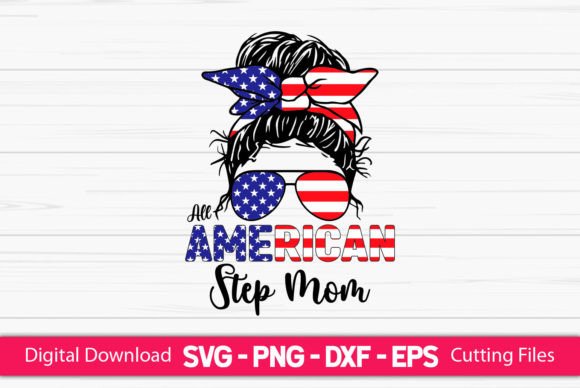
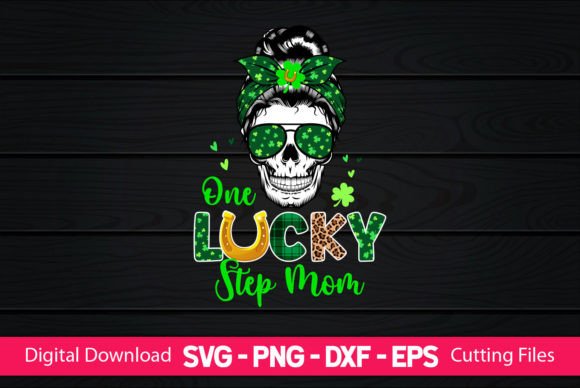
The design's personality is immediately clear: it’s warm, casual, and wonderfully niche. The combination of the "Lucky Step Mom" text with the playful messy bun graphic creates a mood of affectionate, relaxed celebration. It’s not a generic holiday motif; it’s a personalized gift waiting to happen. The layout feels balanced, and the level of detail in the bun illustration suggests it will translate well into satin stitch and fill stitch areas without becoming overly dense. My mind instantly goes to soft, cozy applications—a lightweight sweatshirt, a canvas tote bag, or the corner of a fluffy blanket.
The Perfect Project Match
This isn't a design for every product. Its charm is best unlocked on items that match its casual, heartfelt tone. For a craft business or Etsy seller, this is a strong candidate for a limited-run holiday product. Think embroidered apron for a St. Patrick’s Day family dinner, a tea towel in a gift basket, or a simple embroidered patch applied to a denim jacket. As a custom apparel option for clients, it shines on baby clothes like a cozy knit hat for a little one, or a pillow cover for a step-mom’s reading nook. The design feels intimate, making it ideal for holiday gifts or small shop merchandise with a boutique feel.
Considering the Stitch: Real-World Application Notes
In real-life embroidery situations, a design's success hinges on how it interacts with material and machine. For One Lucky Step Mom Messy Bun, the clean lines and distinct shapes are promising. However, the small lettering within "Lucky Step Mom" requires attention. On textured fabrics like a sweater or a tote bag, you'll need a good, firm stabilizer to keep those characters crisp. I would strongly advise testing this on scrap fabric first, especially if planning to stitch on dark fabric where thread color contrast is critical.
The design likely wouldn’t fare well on very small hoop sizes trying to cram in all details, nor on overly stretchy fabric without proper stabilization. For caps or other curved surfaces, the circular bun graphic could adapt nicely, but the text might need careful placement to avoid distortion. This is a design that asks for a moderate, stable canvas to look its best.
Where to Use With Extra Care
Some applications need a second thought. Thin, silky fabrics might struggle with the stitch density of the bun fill. Products destined for frequent washing, like kitchen towels, would benefit from a tighter stitch setting to ensure longevity. And while the design is charming, its specific wording means it’s for a particular relationship—it’s not a broad-market graphic. This affects brand consistency if you’re a shop with a very general aesthetic, but it’s a powerful tool for personalized products.
The Impact on Your Craft and Customer
Using a design like this well elevates your work. Its niche appeal builds customer trust—it shows you understand specific sentiments. The finished handmade product feels thoughtful, increasing its giftability. For a creative entrepreneur, it can become a signature item during the St. Patrick’s Day season, driving buyer engagement from those seeking something beyond a generic shamrock.
The visual appeal of a cleanly embroidered One Lucky Step Mom Messy Bun on, say, a heather gray sweatshirt, is professional and sweet. It turns a simple garment into a story. This clarity in stitching clarity directly boosts the perceived product value. For commercial embroidery projects, such as a small batch for a local boutique, it offers recognition and a personal touch that mass-produced items lack.
Essential Designer Checklist Before You Hoop
Before committing this to a client project or your shop inventory, run through a quick mental checklist. First, always test the design on scrap fabric identical to your final product. Check the stitch density on the bun fill—is it too thick for your chosen material? Inspect the small details in the text after stitching; are they clear? Compare light and dark fabric backgrounds in your mind or via printable mockups to plan your thread palette.
Crucially, as this is a digital embroidery file, confirm its licensing before selling finished items. The product description mentions it's a digital file for cutting machines, but for embroidery designers, you must ensure your use—whether for personal projects or commercial embroidery—is covered. This is a fundamental step for any digital product seller.
Finally, consider the hoop size needed to maintain integrity. The design isn't overly large, but you need a hoop that allows the text to breathe. Using a proper stabilizer for your specific fabric texture is non-negotiable for a clean result.
A Design With a Clear Purpose
One Lucky Step Mom Messy Bun isn't a jack-of-all-trades embroidery design. It’s a specialist. Its value lies in its targeted emotion and casual aesthetic. In the right hands—on a cozy blanket, a special holiday apron, or a heartfelt gift sweatshirt—it stitches out into a product with genuine resonance. For the embroiderer looking to add a thoughtful, seasonal option to their repertoire or product line, it’s a design worth testing and tailoring to that perfect, soft canvas where its message will truly shine.