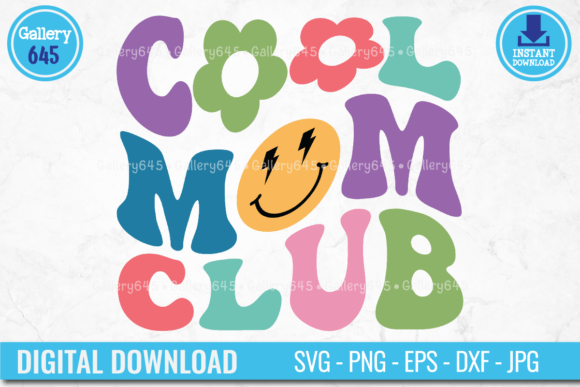
A Groovy “Cool Mom Club” Design for Real Embroidery
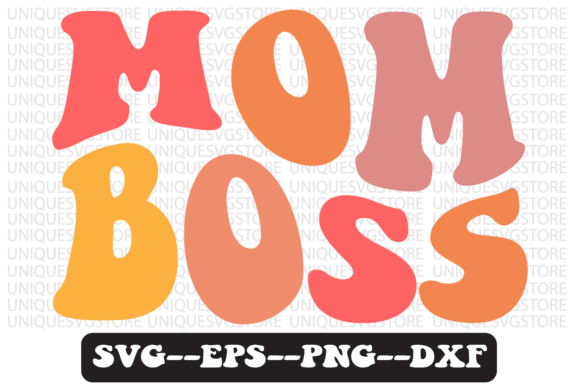
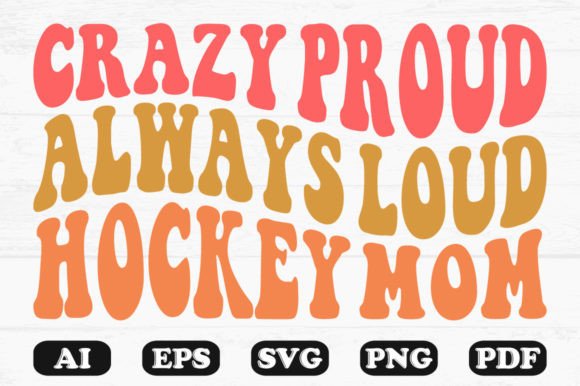
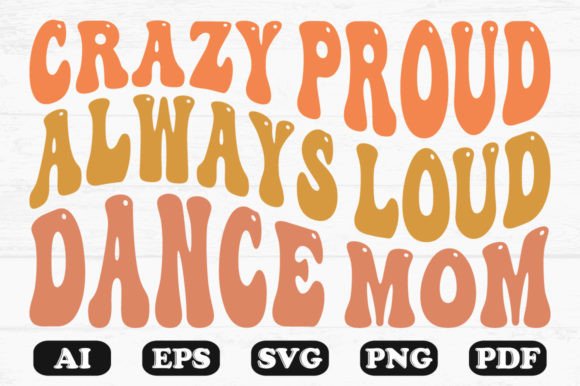
When a design called the Cool Mom Club Retro Groovy lands in my queue, my first thought is always about translation. How will this digital graphic actually look when it’s stitched out onto fabric? What’s the mood, and who is going to want it on their stuff? This one, with its sunny retro vibe, immediately sparks ideas. It’s not just a graphic; it’s a personality. The “Cool Mom Club” concept is playful and self-aware, and the groovy, swirling typography and accents suggest fun, not perfection. That’s a powerful starting point for an embroidery project.
The First Impression: Where This Design Belongs
Opening the file, the aesthetic is clear: it’s cheerful, slightly vintage, and deeply approachable. This isn’t a formal, intricate motif. It’s a statement. The layout feels designed for a focal point, not a subtle accent. That tells me it naturally belongs on items meant to be seen and enjoyed—the kind of products that spark a smile or a conversation. Think of a custom tote bag for a fun-loving friend, a cozy sweatshirt for a mom who embraces the chaos, or a playful pillow cover in a bright nursery. The design’s personality leans into gifts and personal use, but it also has that recognizable, catchy quality that works for small shop merchandise.
For an embroidery designer, the level of detail is key. The swirling letters and potential decorative elements need to translate into clean stitch paths. A design with this mood needs to maintain its lightness; overly dense stitching could make it feel heavy and lose that groovy charm. My initial judgment is that this would excel as a medium-sized feature, perhaps on the front of a cotton tote or the breast of a relaxed-fit sweatshirt. It feels like it would pair beautifully with cheerful thread colors—bright pinks, oranges, or teals against a neutral fabric, or a crisp white satin stitch on a deep navy for contrast.
Putting It Into Real Embroidery Situations
Let’s walk through a real scenario. Imagine you’re preparing a custom order for an embroidered apron, a gift for a new mom. The client wants something unique and personal. The Cool Mom Club Retro Groovy design comes to mind. I’d consider the apron’s fabric—typically a medium-weight cotton or canvas. That’s a good, stable base. The design’s size would need to fit comfortably on the apron’s bib without crowding the edges. A test run on scrap fabric is essential here to check stitch density. On an apron, which gets washed frequently, you want the embroidery to be secure but not so thick that it stiffens the fabric.
This design could also shine on baby items, like a soft blanket corner or a little romper, but with careful adaptation. On stretchy or thin fabrics like jersey, the stabilizer choice becomes critical to prevent distortion, especially if the design has any large fill areas. For a more commercial application, like producing a series of embroidered patches for a craft fair, this graphic has high recognition value. It’s easily understandable and marketable. Stitched onto a felt patch with a simple satin stitch border, it becomes a ready-to-sell product for an Etsy seller or boutique.
Where Caution Is Needed: Making It Work Every Time
Not every project is a perfect fit. The Cool Mom Club Retro Groovy design, with its likely decorative lettering, requires attention in a few key situations. First, on very small hoop sizes. If you try to miniaturize it for a hat logo or a tiny baby sock detail, the intricacies of the groovy letters might become muddled. Small, tight curves can lose clarity.
Second, on textured fabrics like terry cloth or looped blankets, the design’s clean lines could get lost. Third, and importantly, on dark fabrics. The choice of thread color is paramount. If the design relies on fine lines, using a single, contrasting thread color is safest. A multi-color plan on a dark background might require very precise stitching to keep each element distinct. Always test it in a black-and-white mockup first to see how the shapes hold up without color cues.
Curved surfaces, like caps, are another consideration. The layout should be assessed for distortion when mapped onto a curved plane. A central, balanced design might work, but if it’s very wide, the edges could stretch awkwardly. For products that need frequent washing—kitchen towels, kid’s clothes—opt for sturdy threads and secure stitching techniques to ensure longevity.
The Impact Beyond the Stitches: Value and Appeal
What does using a design like this do for your work? For a handmade product or a personalized gift, it injects a specific, joyful personality. That boosts perceived value. A customer isn’t just buying an embroidered pillow; they’re buying a “Cool Mom” pillow. That story enhances giftability and engagement. For a small business owner, consistently using well-executed, appealing designs builds customer trust. They come to expect a certain quality and style.
This particular design, if stitched cleanly with good thread contrast and appropriate sizing, communicates professionalism. It shows you understand both technique and theme. For digital product sellers creating printable mockups or design assets, a graphic with such clear thematic appeal makes marketing easier. It’s instantly relatable.
However, the final product’s success hinges entirely on the embroidery execution. The digital file is a blueprint. Your skill in choosing the right stabilizer for the fabric, managing thread colors, and perhaps even simplifying areas if the stitch count is too high for the chosen item, turns that blueprint into a quality finished product.
Practical Notes Before You Hoop the Fabric
Before I’d ever run this for a client or my own shop, my process would be:
- Stitch it out on scrap fabric identical to my target product fabric. This reveals everything: density, clarity of small details, and any potential puckering.
- Check thread color contrast against both light and dark backgrounds. Does it pop? Does it stay readable?
- Confirm the hoop size needed and ensure my target item can accommodate it comfortably.
- Inspect the small details in the stitched sample. Are any corners or tiny spaces too tight for clean stitches?
- Most crucially, review the provided license or terms. Since it’s described as a digital file for cutting machines, I need to confirm its applicability for machine embroidery and whether commercial use of the embroidered finished products is permitted. Never assume.
Embroidery is a translation art. The Cool Mom Club Retro Groovy design brings a fantastic, lively concept to the table. Its success on a tote bag, a baby blanket, a boutique sweatshirt, or an embroidered patch depends on that thoughtful translation from screen to stitches. With careful testing and an eye for where its personality fits best, it can become a standout element in your embroidery project lineup, pleasing both makers and the cool moms who receive them.